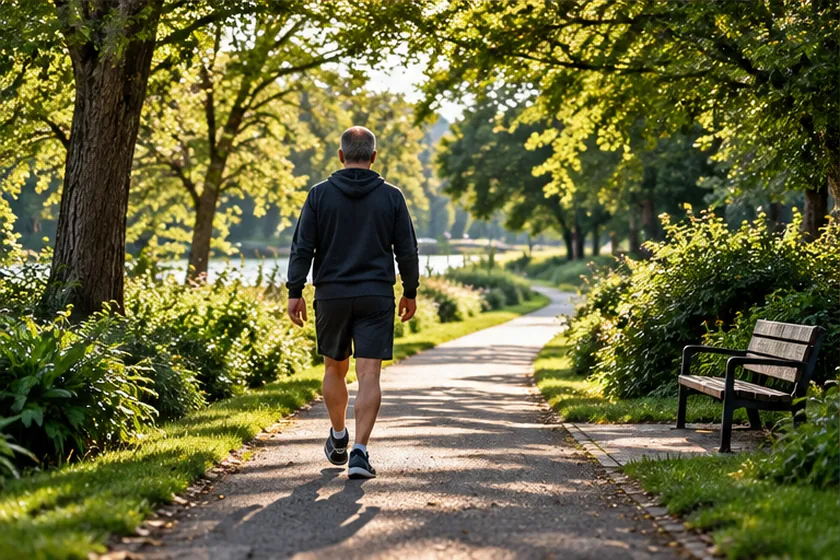

You wake up to a buzzing phone, the light through the blinds already doing half the work of the alarm. You’ve got a meeting at 9 a.m., lunch to pack, and a list of errands looping through your head. Still, you want the first part of your day to feel unhurried—just ten minutes where you’re not running on autopilot.
Quick start: Try this in the next two mornings.
- Wake five minutes earlier than usual and do one slow, deliberate act: sit up, breathe for thirty seconds, and drink a small glass of water.
- Put on a small, simple anchor: a warm mug, a short playlist, or a five-item to-do checklist.
- Carry that single calm action into your first transition (getting dressed, stepping into the hallway) and notice one difference.
These micro-choices don’t require a full hour or a new set of gear. They’re designed to shift how your morning feels by changing sequence, attention, and environment.
Why a "slow" morning can feel practical (not perfect)
Slowing a morning is less about the clock and more about reducing rush-and-react moments so you can start the day with more choice. That doesn’t mean every morning will be leisurely—many days will still be busy. The point is to create a simple pattern that reliably gives you a small pocket of calm before the day’s demands escalate. For another small practice, explore FRELUMO Daily Steps.
If you want more background on tools for emotional wellness and everyday stress management, the NIH Emotional Wellness Toolkit and the CDC’s stress-management guidance offer broad, practical resources to explore. They describe general strategies people use to support mood and routines; use those pages for ideas about self-care practices and when to reach out for extra support. For broader context, the NIH Emotional Wellness Toolkit offers general background, not proof about this exact practice.
Plan the night before: the biggest time-saver
Why this helps: Reducing morning decisions removes a lot of friction. The fewer choices you have to make from the moment you wake up, the easier it is to move deliberately instead of rushing.
Action steps:
- Pick tomorrow’s outfit and set it out, including shoes and needed accessories.
- Pre-pack lunch and any work items (badge, keys, charger). Put them by the door.
- Set your phone to a morning-friendly alarm label (example: “Move slowly”) and place it on a charger away from your bed so you have to stand to silence it.
- Put a filled water glass or bottle on your bedside table.
Easy version: Even choosing one thing—like making your coffee filter-ready—counts as night-before prep.
Accessibility/adaptations: If mobility is limited in the morning, do the same prep on a chair or surface that’s comfortable and within reach. Use voice reminders or large-print lists if that helps.
Micro-morning rituals you can build in (1-minute, 5-minute, 15-minute)
You don’t need an elaborate routine. Below are concrete step-by-step options that fit real-world schedules.
One-minute micro-ritual (minimal)
- Sit up, stretch both arms overhead or roll your shoulders for 20–30 seconds.
- Take three slow breaths, noticing inhale and exhale.
- Drink a sip of water.
When to use it: On very tight mornings, when extra sleep edges out longer routines.
Five-minute mindful sequence (easy, effective)
- 0:00–0:30 — Stand and stretch or do a brief mobility move.
- 0:30–2:30 — Make and hold a warm drink (tea or coffee) while standing near a window or favorite spot.
- 2:30–4:30 — Sit and write one sentence in a notebook or the notes app: today’s top one priority.
- 4:30–5:00 — Take two steady breaths and stand up with the intention for the first transition.
Variation: If writing feels like a chore, say your priority out loud while rinsing your face.
Fifteen-minute gentle start (when you can spare more time)
- 0:00–3:00 — Open curtains, let light in, and hydrate.
- 3:00–7:00 — Light movement: walk in place, gentle yoga flow, or a brisk five-minute walk outside.
- 7:00–11:00 — Prepare a simple breakfast; sit down to eat it without screens.
- 11:00–15:00 — Review a short plan for the day—three items max—then move into your first task.
Easy version: Combine movement and breakfast (e.g., have breakfast while standing and stretching) if needed.
Accessibility/adaptations: If standing is painful, adapt each movement to seated options and focus on breath and gentle mobility.
A one-minute comparison checklist
| Time available | Core focus | One realistic action to slow the morning | When to skip it |
|---|---|---|---|
| 60+ minutes | Full transition | Eat a simple sit-down breakfast, move, plan | Rarely—only if illness or crisis |
| 15 minutes | Reset & orient | Light movement, hydrate, single-priority note | If you must leave immediately |
| 5 minutes | Anchor & intention | Hold a warm drink and name one priority | If you overslept by 10+ min |
| 1 minute | Attention shift | Stretch + three steady breaths + sip water | If you need immediate medical care or help |
The one-minute/minimal version is designed to be repeated on multiple days to create momentum. Even a repeated 60-second pause can change how the morning feels over time.
Environment tweaks that make "slow" easier
Small changes to the physical space lower friction when you want to move slowly.
- Light: If natural light isn’t available, use a lamp on a soft timer so the room brightens gently before your alarm. Waking into gradual light can make it easier to start slowly.
- Sound: Create a short morning playlist (3–6 minutes) that signals ‘slow time’ instead of loud alarm tones. Lower-volume, familiar music can cue your brain to move differently.
- Temperature: Lay out a robe or sweater so you can stay warm during a slow meal or stretch.
- Layout: Keep one clear surface by the door for your pre-packed bag and keys; keeping clutter off that surface reduces last-minute scrambles.
Kitchen shortcuts for a calm breakfast:
- Pre-measure oatmeal jars, or set out a banana and a nut-butter packet the night before.
- Use a kettle with a timer so hot water is ready, cutting down on micro-wait stress.
Time-stretching tactics: design your transitions
A big part of the rushed-feeling morning is the stacked transitions: bed → bathroom → kitchen → keys → out. Intentionally building small buffers between those transitions helps. For broader context, the CDC stress-management guidance offers general background, not proof about this exact practice.
Tactics you can try:
- Transition anchor: Place an object that marks the end of your slow pocket (your mug, a sticky note, or a particular scarf). When you put the object down, you move to the next phase.
- Micro-buffers: Add two minutes between tasks. For example: finish dressing, then stand in the doorway and breathe for 30 seconds before grabbing your bag.
- Single-tasking rule: Give yourself permission to do only one high-attention thing at a time. If you’re packing lunch, don’t also scroll your email.
- Calendar padding: If possible, block the first 10–15 minutes of your work calendar with a recurring “Morning Start” entry to reduce pressure from colleagues or notifications.
When mornings are unpredictable (kids, roommates, shift work)
Real life often refuses neat routines. Here are targeted adaptations for common constraints.
- Shared spaces / roommates: If you share a bathroom or kitchen, coordinate 10-minute windows the night before, or try a quiet anchor in your bedroom (warm drink, short reading). For more ideas about small-space routines and shared bathrooms, see our piece on How to Create a Calm Morning When You Share a Small Apartment?.
- Short time frames: If you have seven minutes, try a micro-routine from our short-routine guide What to Do in the Morning When You Have Only Seven Minutes?. These short sequences emphasize one gentle action and a clear priority.
- Shift work / nonstandard schedules: Anchor your slow moments to a consistent marker other than clock time—like the end of your commute, the first sip of coffee, or a safety check of your workstation. The anchor gives a reliable cue even when hours change.
Keep the habit without turning it into a task
The goal is to make a slow morning feel like a relief, not a new chore. Use small, forgiving techniques to build consistency.
- Pick a tiny, repeatable anchor: one sentence, one stretch, or one cup.
- Track lightly: Use a simple checklist or a habit tracker to note days you completed the anchor. If you want a structured habit tracker, FRELUMO Daily Steps has tools for short daily targets and gentle progress tracking.
- Make variations: Allow the ritual to look different on different days—some mornings are 60 seconds, others are 15 minutes. Both count.
- Remove pressure: If you miss a morning, treat it as data, not failure. Adjust one variable (wake time, environment, anchor) and try again.
If you like journaling, use a very short prompt—"One thing I want today"—and record it in the FRELUMO Journal for a few weeks to see patterns in what helps you start well. You can also explore How to Create a Calm Morning When You Share a Small Apartment? for a related perspective.
Practical cautions and when to ask for extra help
Slowing your morning is a behavioral strategy to reduce rush and create a bit more control over your start to the day. It is not a substitute for professional care when mornings feel overwhelming in ways that interfere with your work, relationships, or daily function.
If mornings are routinely accompanied by severe anxiety, persistent exhaustion despite adequate sleep, or other concerning symptoms, consider speaking with a qualified health professional. For basic public resources on managing stress and emotional wellness, you can consult the CDC’s stress-management guidance and the NIH Emotional Wellness Toolkit for practical coping strategies and information about when to seek further support.
A realistic week: examples for different schedules
- Commuter with a two-stop train ride: Pack a breakfast jar and walk to the station five minutes earlier. Use the first five minutes on the train to breathe and read one paragraph of a book instead of scrolling social media.
- Parent with school drop-off: Swap one task to the evening (pack lunches) and use the five minutes after you get back from drop-off to sit with tea and notice one good thing.
- Hybrid worker who starts at home: Block 10 minutes before logging on. Move in the kitchen for three minutes, then sit and list the day’s top priority.
- Night-shift worker: Anchor your slow start to the end of your commute or the end of a routine safety check when you arrive home—create a short ritual to mark the transition.
Conclusion: small margins, reliable feeling
The aim here is not to build an elaborate morning ritual that will inevitably be skipped. It’s to create small, repeatable margins that reliably change how you begin the day. Night-before prep, a simple environmental cue, and a tiny morning anchor are the essentials. Over time, these little shifts add up to a different rhythm: not every morning will be slow, but many more will begin without the frantic scramble.
If you want short, targeted ideas for tight schedules, check the seven-minute morning suggestions or try tracking a single small habit with FRELUMO Daily Steps. And if you find mornings are often a source of distress, the NIH and CDC pages listed above point to broader resources and when you might consider professional support.